English




How Does a Chandelier Lift Work
March 11, 2026
A chandelier lift works by using a motorized hoist mechanism installed above the ceiling to safely lower and raise heavy lighting fixtures for maintenance. The system typically consists of a motor, lifting cables, a mounting frame, and a control interface that allows technicians to bring a chandelier down to a safe working height and then return it to its original position. For buildings with high ceilings—such as hotels, churches, luxury residences, and commercial venues—this technology eliminates the need for scaffolding or lifts during maintenance. In practice, this means maintenance teams can safely clean or replace bulbs in large chandeliers within minutes instead of hours, significantly reducing operational disruptions.
Modern building designers and facility managers increasingly incorporate chandelier lift solutions during the planning stage of high-ceiling projects. In spaces where chandeliers may weigh hundreds of kilograms and hang several meters above the floor, the ability to lower the fixture safely becomes a critical maintenance feature. By understanding how these systems operate, decision-makers can select the right lifting solution for their projects.
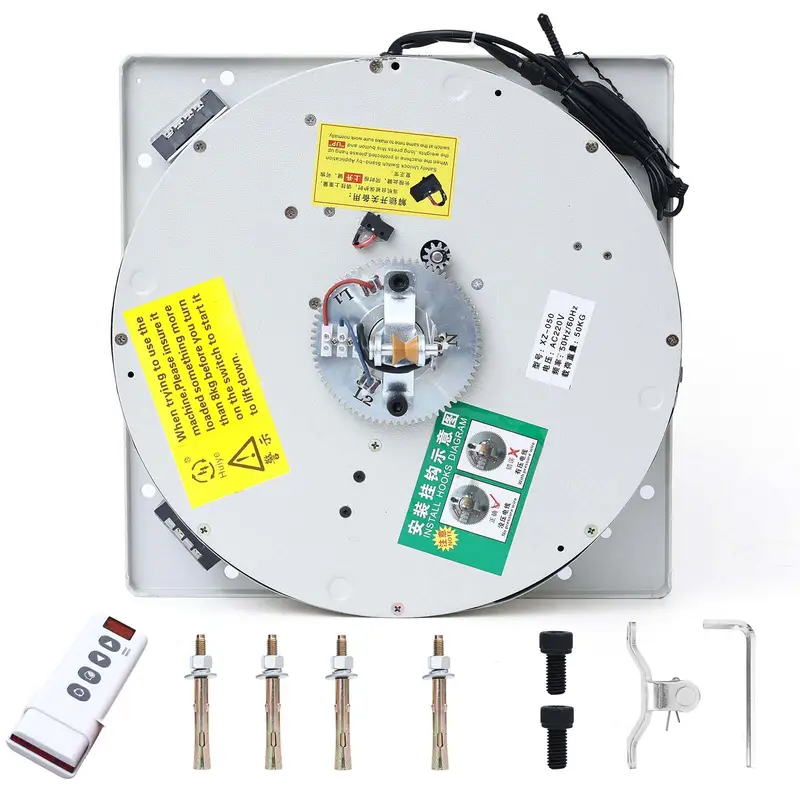
What Is a Chandelier Lift and What Are Its Core Components?
A chandelier lift is a mechanical system designed to move heavy lighting fixtures vertically for maintenance purposes. Installed above the ceiling or inside a structural cavity, the lift mechanism supports the chandelier while allowing controlled movement up and down.
Most systems include several key components:
Motorized Hoist Unit
The hoist is the central component responsible for lifting and lowering the chandelier. It contains an electric motor, gearbox, and braking system that ensure smooth and controlled movement.
Steel Cable or Wire Rope
High-strength cables connect the chandelier to the hoist mechanism. These cables are engineered to support significant loads while maintaining stability during lifting operations.
Mounting Platform or Support Frame
A structural mounting platform attaches the chandelier to the lift system. This component distributes weight evenly and keeps the fixture balanced during operation.
Control Interface
Operators control the lift through a wall switch, remote control, or integrated building automation system. Advanced models also include limit switches and safety locks.
As a professional chandelier lift manufacturer, companies develop these systems to meet strict safety and performance requirements for architectural lighting installations.
Step-by-Step Process: How a Chandelier Lift Operates
Understanding the working sequence of a chandelier lift helps facility managers appreciate how the system simplifies maintenance.
Lowering the Chandelier
When maintenance is required, the operator activates the control system. The motor slowly releases the cable while maintaining controlled tension. This action gradually lowers the chandelier toward the floor.
Performing Maintenance
Once the fixture reaches a safe height, technicians can clean crystals, replace bulbs, inspect wiring, or perform other maintenance tasks without using ladders or scaffolding.
Raising the Fixture
After servicing is complete, the operator activates the lift again. The motor winds the cable back onto the drum, lifting the chandelier smoothly back into its original ceiling position.
Automatic Position Locking
Many modern systems include automatic locking mechanisms to secure the chandelier once it reaches the designated ceiling height. This prevents movement and ensures stability during normal operation.
Why High-Ceiling Buildings Depend on Chandelier Lifts
Architectural spaces with ceilings higher than five or six meters often include decorative lighting installations that are difficult to maintain using conventional methods. Without a lift system, maintenance crews must rely on scaffolding, mechanical lifts, or ladders.
These traditional approaches create several challenges:
- Higher labor costs due to equipment setup
- Safety risks when working at elevated heights
- Operational interruptions in commercial spaces
- Longer maintenance times
By contrast, a motorized lifting solution allows maintenance teams to lower the chandelier quickly and safely.
In hospitality environments such as luxury hotels, this efficiency is especially valuable. Large chandeliers in hotel lobbies often require frequent cleaning to maintain their visual appeal. A lift system ensures that maintenance can occur during short service windows without disrupting guests.
Types of Chandelier Lift Systems for Different Projects
Different architectural projects require different lift configurations. Selecting the appropriate system depends on factors such as ceiling height, chandelier weight, and installation space.
Standard Motorized Lift
Standard motorized lifts are designed for residential or small commercial applications. These systems usually support moderate loads and operate using simple control switches.
Heavy-Duty Commercial Systems
Large venues such as churches or convention centers require heavy-duty systems capable of lifting extremely large fixtures.
Rotating Lift Systems
Some modern systems combine lifting and rotation capabilities, allowing chandeliers to rotate while being lowered. This is useful for maintenance and aesthetic presentation.
A good example is a specialized chandelier motorized lift system designed for large decorative lighting installations.
Performance Factors Engineers Should Evaluate
When specifying a chandelier lift for a project, engineers should evaluate several performance factors.
Load Capacity
The lift must support the total weight of the chandelier, including decorative elements, electrical components, and mounting hardware.
Lifting Height
The system should accommodate the full vertical distance required to lower the chandelier to a safe maintenance height.
Motor Power
Higher loads require stronger motors and gear systems to ensure smooth lifting.
Safety Mechanisms
Advanced safety features such as automatic brakes, overload protection, and cable monitoring systems improve reliability.
Integration With Building Systems
Modern lifts may integrate with smart building control systems, enabling centralized monitoring and operation.
Typical Installation Scenarios
Chandelier lifts are commonly installed in several architectural environments.
Luxury hotels frequently install large chandeliers in their main lobbies, ballrooms, and banquet halls. These decorative fixtures often require regular cleaning and bulb replacement.
Religious buildings such as churches and mosques also benefit from lift systems because chandeliers are typically mounted high above congregational areas.
Large residential properties with grand staircases or atriums increasingly use lift systems to simplify chandelier maintenance.
For industrial and commercial spaces, engineers often specify a dedicated chandelier lift system capable of handling heavier lighting installations.
If you need technical guidance for selecting a suitable lifting solution for your building project, you can reach our specialists here: Contact us.
Cost and Maintenance Efficiency Comparison
The following table compares traditional chandelier maintenance methods with a lift system approach.
Table 1: Maintenance Efficiency Comparison for High-Ceiling Lighting
| Maintenance Method | Equipment Required | Labor Cost | Safety Level | Time Required |
|---|---|---|---|---|
| Ladder Access | Ladder or small lift | Medium | Medium | Moderate |
| Scaffolding | Full scaffolding setup | High | Medium | Long |
| Mechanical Lift Rental | Hydraulic lift equipment | Medium | Medium | Moderate |
| Chandelier Lift System | Built-in motorized lift | Low | High | Short |
This comparison demonstrates why many building owners choose integrated lifting systems during construction.
Frequently Asked Questions
How much weight can a chandelier lift support?
Most residential systems support between 100 and 200 kilograms, while heavy-duty commercial models can lift significantly more depending on design specifications.
Can a chandelier lift be installed in an existing building?
Yes. Many systems are designed for retrofit installations and can be installed in existing ceiling structures with proper engineering assessment.
Is a chandelier lift safe for delicate crystal chandeliers?
Yes. Modern systems use slow, controlled movement and stabilization mechanisms to protect delicate decorative elements.
How often should a chandelier lift be inspected?
For commercial installations, annual inspection is generally recommended to ensure motor performance and cable integrity.
Does the lift require special training to operate?
Most systems use simple wall switches or remote controls, making operation easy for maintenance personnel.
About Hontrix
Hontrix is a professional manufacturer specializing in advanced lifting technologies for architectural lighting systems. The company focuses on designing reliable solutions that simplify maintenance in high-ceiling environments such as hotels, churches, luxury homes, and large commercial buildings.
With strong engineering expertise and a commitment to safety and performance, Hontrix provides lifting systems that combine durability, precision control, and efficient installation. By working closely with architects, contractors, and facility managers worldwide, Hontrix continues to deliver innovative solutions that improve the accessibility and maintenance of large decorative lighting fixtures.
References
Wikipedia – Chandelier
https://en.wikipedia.org/wiki/Chandelier
Occupational Safety and Health Administration (OSHA) – Working at Heights Safety Guidelines
https://www.osha.gov/
Illuminating Engineering Society – Lighting Design Resources
https://www.ies.org/