


 English




How to Choose the Right Chandelier Lift for High Ceilings and Heavy Fixtures
February 26, 2026
Understanding What a Chandelier Lift Is
A Chandelier Lift is a motorized hoist system designed to raise and lower chandeliers installed in high ceilings. These systems make cleaning, bulb replacement, and maintenance much easier and safer by allowing the chandelier to be lowered to a reachable height instead of requiring ladders or scaffolding. Motorized chandelier lifts are commonly used in villas, hotel lobbies, churches, and commercial buildings where ceilings can exceed 20 feet.
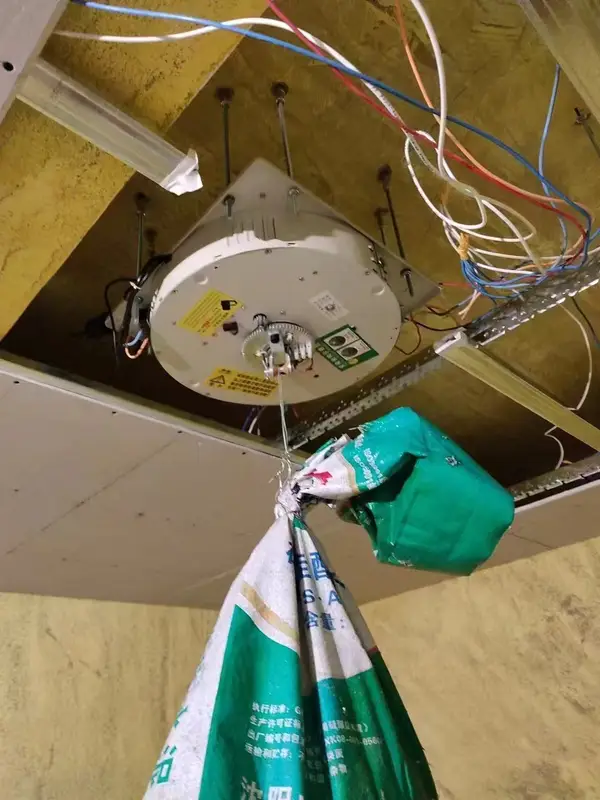
Modern lift systems are installed above the ceiling and operate using an electric motor that winds and unwinds a lifting cable. With a switch or remote control, the chandelier can be safely lowered to floor level for maintenance. Many systems also incorporate safety mechanisms such as load sensors, limit switches, and dual lifting cables to prevent accidents.
Professional lighting designers often recommend installing a lift system whenever a chandelier is mounted in a difficult-to-access location.
Determine the Weight of Your Chandelier
One of the most important factors when selecting a chandelier lift is the weight capacity. Every lift system is designed to support a specific load, so it is essential to calculate the total weight of the chandelier before choosing the equipment.
Typical residential chandelier lifts support between 50 kg and 100 kg, while larger commercial systems may support hundreds of pounds depending on the design.
If the chandelier includes glass decorations, crystals, or metal components, their combined weight must be included in the calculation. Choosing a lift with a higher capacity than the actual load ensures better safety and long-term reliability.
For example, a professional chandelier lift system designed for heavier decorative lighting can support larger fixtures while maintaining smooth and stable operation.
Consider the Ceiling Height and Lifting Distance
Ceiling height determines how much lifting travel the system must provide. High ceilings in luxury homes or commercial spaces can reach 20–40 feet, so the lift system must support sufficient cable length and lifting distance.
Many standard chandelier hoists are designed for lifting ranges of around 6 meters (approximately 20 feet), with extended models available for taller ceilings.
Before selecting a lift system, measure the distance from the ceiling to the floor and ensure the lift can fully lower the chandelier for maintenance. The system should also have adjustable stopping points to prevent the fixture from descending too far.
Advanced chandelier hoist system solutions provide adjustable lifting heights and stable cable management to accommodate different architectural environments.
Evaluate Safety Features
Safety is one of the most important considerations when choosing a chandelier lift system. Because these systems suspend heavy lighting fixtures above occupied spaces, reliable safety mechanisms are essential.
Many professional chandelier lifts include several protective features such as dual lifting cables, automatic braking systems, and limit switches that prevent the chandelier from being raised or lowered beyond safe positions.
Some systems also include overload protection and self-locking motors to prevent the chandelier from falling if power is lost. These safety mechanisms ensure stable operation and protect both the fixture and the people below it.
Selecting equipment from a trusted chandelier lift manufacturer ensures the system meets safety standards and performs reliably over long-term use.
Choose Between Basic and Advanced Lift Features
Chandelier lifts are available in several configurations depending on functional requirements. Basic models focus on lifting and lowering the chandelier safely for maintenance. These systems are typically used in residential homes where the chandelier does not require additional movement.
More advanced systems may include rotation functions, remote controls, or smart home integration. Rotating chandelier lifts can slowly turn the fixture to create decorative lighting effects or improve light distribution in large rooms.
Other advanced features may include programmable control panels, wireless remotes, and integration with building automation systems.
When selecting a chandelier lift, it is important to determine whether the application requires basic maintenance access or additional decorative functionality.
Installation Environment and Structural Support
The installation environment also plays a significant role when selecting a chandelier lift system. The ceiling structure must be strong enough to support both the chandelier and the lifting mechanism.
Concrete ceilings, wooden beams, and steel structural supports are commonly used installation surfaces. Proper reinforcement ensures that the lift system remains secure and stable during operation.
Professional installers may also install mounting brackets or support frames to distribute the load evenly across the ceiling structure.
Electrical requirements should also be considered during installation. Most motorized chandelier lifts operate using standard residential voltage, but dedicated wiring may be recommended for consistent power supply.
Typical Chandelier Lift System Specifications
The table below provides an overview of common chandelier lift models and their typical specifications for high ceiling lighting applications.
| Model Type | Load Capacity | Lifting Height | Control Method | Typical Application |
|---|---|---|---|---|
| Standard Residential Lift | 50 kg / 110 lbs | 6–10 m | Wall switch / remote | Home foyers |
| Rotating Chandelier Lift | 80 kg / 176 lbs | 6–12 m | Remote control | Luxury villas |
| Heavy Duty Lift System | 100 kg / 220 lbs | 10–15 m | Smart controller | Hotel lobbies |
| Commercial Chandelier Hoist | 150 kg+ | 12–18 m | Programmable control | Churches & halls |
| Industrial Lighting Lift | 200 kg+ | 15–20 m | Automated system | Large commercial buildings |
These specifications show how different lift systems are designed to support different chandelier sizes and architectural environments.
Why Professional Chandelier Lift Manufacturers Matter
Choosing a reliable manufacturer is essential when purchasing a chandelier lift system. Experienced manufacturers design lift systems with high-quality motors, durable lifting cables, and advanced safety mechanisms.
Professional manufacturers also offer customization options for different ceiling heights, load capacities, and installation environments. This flexibility ensures the lift system matches the chandelier size and architectural structure of the building.
Working with a reputable manufacturer also provides technical support, installation guidance, and product warranties, which help ensure long-term performance and safety.
Conclusion
Choosing the right Chandelier Lift requires careful consideration of chandelier weight, ceiling height, lifting distance, safety features, and installation environment. A well-designed lift system allows chandeliers installed in high ceilings to be safely lowered for cleaning, maintenance, and inspection.
Modern motorized lift systems combine reliable lifting technology with advanced safety features, making them an essential solution for maintaining decorative lighting fixtures in both residential and commercial spaces.
By selecting a high-quality chandelier lift from an experienced manufacturer and ensuring proper installation, homeowners and building managers can enjoy beautiful lighting fixtures while maintaining easy access for maintenance.