English




Motorized vs Manual Chandelier Lift: Which Is Better for Your Venue?
March 31, 2026
When it comes to maintaining grand chandeliers in high-ceiling environments—whether in luxury hotels, sprawling estates, or commercial ballrooms—the method of lowering these fixtures for cleaning and bulb replacement is a critical operational decision.
At Hontrix, we specialize in advanced lighting suspension technology. In this guide, we break down the definitive differences between motorized lighting lifts and traditional manual systems to help you choose the most efficient solution for your project.
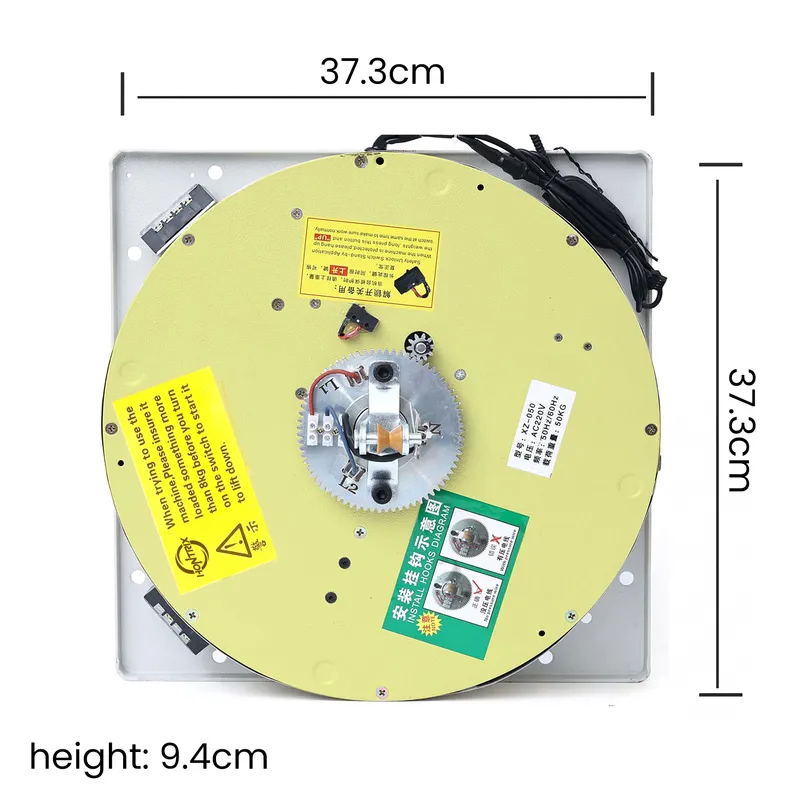
1. Operation and Efficiency: Automation vs. Physical Labor
The most significant divider between the two systems is operational ease.
- Motorized Chandelier Lifts: Designed for modern convenience, these systems allow users to lower heavy fixtures with a simple remote control or wall switch. For high-end commercial venues, this means a single staff member can manage maintenance in minutes without specialized training.
- Manual Lifts: These require physical cranking or pulley operation. While functional, they are labor-intensive and often require two people—one to operate the winch and another to guide the chandelier—increasing the time spent on routine tasks.
2. Safety Standards and Load Stability
Safety is the cornerstone of Hontrix’s light lift company.
- Motorized Precision: Our motorized systems feature automatic stop sensors and electromagnetic braking. This prevents “over-winding” and ensures a smooth, jitter-free descent, protecting delicate crystal components from vibration.
- Manual Risk: Manual operation is subject to human error. Sudden jerks or uneven cranking can cause the chandelier to sway or, in extreme cases, strain the cable beyond its limit. For fixtures weighing over 50kg, a motorized solution is the industry gold standard for safety.
3. Installation Complexity and Long-term Costs
- Initial Investment: Manual lifts have a lower upfront cost. However, for B2B clients, the Total Cost of Ownership (TCO) favors automation.
- ROI of Automation: A motorized lighting lift eliminates the need for expensive scaffolding or high-reach ladder rentals every time a bulb burns out. Over 3–5 years, the savings in professional cleaning labor and equipment rental far outweigh the initial price difference.
4. Aesthetic Integration
Hontrix designs focus on “invisible” technology.
- Discrete Engineering: Our motorized units are compact enough to be concealed within ceiling voids or decorative canopies.
- Manual Constraints: Manual winches often require accessible wall-mounted cranks or visible pulley lines, which can disrupt the interior design of a luxury space.
Comparison Summary: At a Glance
| Feature | Motorized Chandelier Lift | Manual Lift |
| Effort | Zero (Remote/Wall Switch) | High (Manual Cranking) |
| Safety | Integrated Auto-Braking | Dependent on Operator |
| Maintenance Speed | Fast (5–10 minutes) | Slow (30+ minutes) |
| Ideal For | High Ceilings & Heavy Fixtures | Low Ceilings & Light Fixtures |
Conclusion: Why Hontrix Leads the Market
While manual lifts serve a purpose for smaller, accessible fixtures, the motorized chandelier lift is the only logical choice for professional-grade installations where safety, luxury, and efficiency are non-negotiable.
As a dedicated manufacturer, Hontrix provides tailored suspension solutions that ensure your grand lighting remains a brilliant center-piece, not a maintenance nightmare.
Looking for a customized lifting solution for your next project? Contact the Hontrix technical team today for a professional consultation.